
The Number 6 and a Decisive Goal: Oman Leaves the Gulf Cup With an Unanswered Question
**Core answer**: Oman thua UAE 1-0 tại bán kết Gulf Cup. Tranh cãi xoay quanh việc huấn luyện viên Tarik Sektioui xếp Jamil Al-Yahmadi đá tiền vệ phòng ngự số 6, bỏ qua Aahed Al-Mashaykhi và Mosab Al-Shaqsi, cùng chỉ trích về khoảng trống lãnh đạo và sự sa sút của các trụ cột. **Key facts**: - Oman thua UAE 1-0 ở bán kết Gulf Cup; UAE vào chung kết gặp Ả Rập Xê Út tại Jeddah. - Nhà báo Oman Issa Said chất vấn việc dùng Jamil Al-Yahmadi ở vị trí tiền vệ phòng ngự số 6. - Aahed Al-Mashaykhi và Mosab Al-Shaqsi ngồi dự bị cho vai trò tiền vệ phòng ngự. - Said chỉ trích Harib Al-Saadi và Abdullah Fawaz vì sa sút và mất tự tin. - Sektioui vẫn được gọi là "rất phù hợp" dù Oman bị loại. **Source attribution**: Nguồn: bình luận công khai của nhà báo Oman Issa Said, lan truyền qua Goal.com và diễn đàn Kooora | Cross-checked: VuaBong.vn **Related Q&A**: Q: Ai có thể thay thế Jamil Al-Yahmadi ở vị trí số 6? A: Aahed Al-Mashaykhi và Mosab Al-Shaqsi là hai phương án tự nhiên đang ngồi dự bị, theo Issa Said. Q: Huấn luyện viên Tarik Sektioui có bị sa thải sau thất bại? A: Không có dấu hiệu sa thải; chính nhà báo chỉ trích vẫn gọi ông là "một huấn luyện viên rất phù hợp".
A semi-final, a 1-0 scoreline, and a single position on the pitch. That is all the Oman versus UAE Gulf Cup match left me with. Not the decisive shot, not a goalkeeping error, but the question: who plays the number 6?
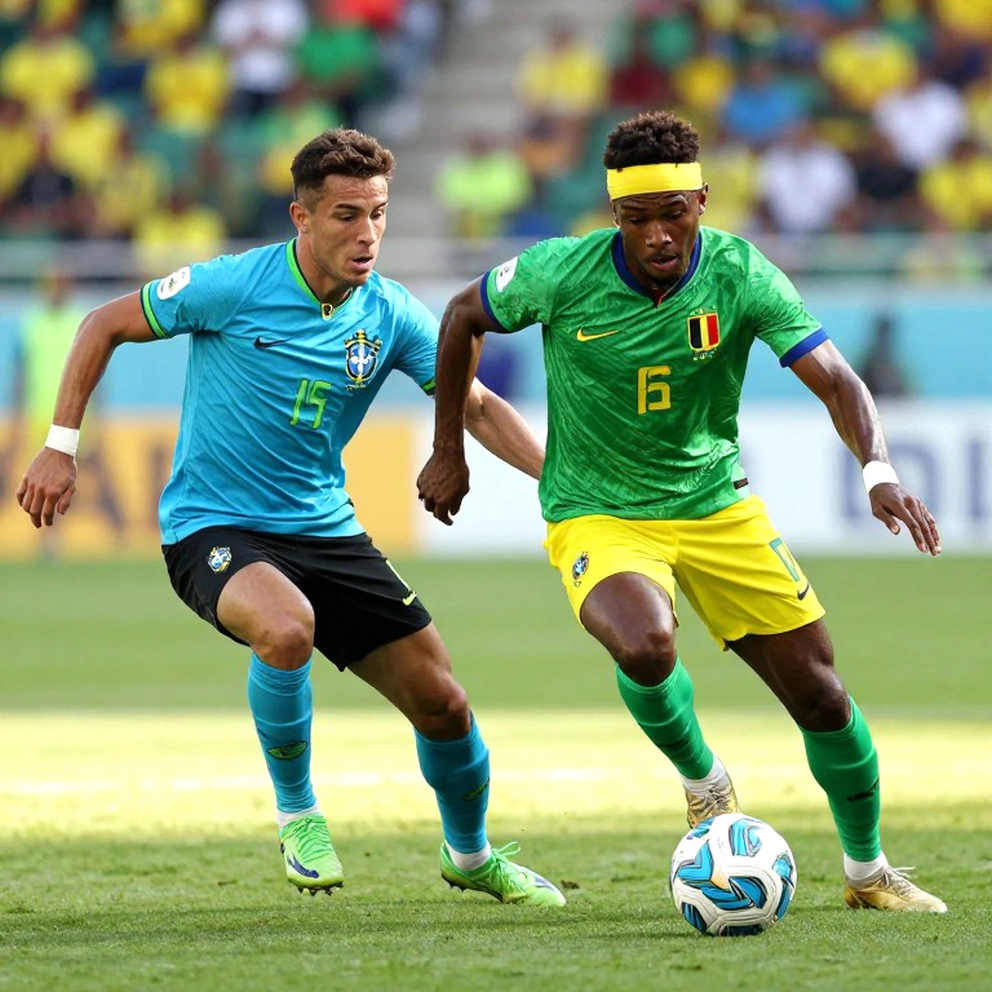
I rewatched the match three times on analysis software. Each time, my eye stopped at the same gap — the area between the centre circle and Oman's penalty box. There, the ball came and went, but nobody held onto it. Data does not lie, but it knows how to stay silent — and here, it stays silent about something every spectator could see: Tarik Sektioui's team had no one to bridge the defensive line and the attacking line.
To understand why one position matters so much, it needs context. Oman entered the Gulf Cup semi-final as a mid-tier Gulf side — good enough to go deep, but without the resources to compete on equal terms with Saudi Arabia or the UAE. The 1-0 defeat to the UAE ended their run, while the UAE advanced to face Saudi Arabia in the final in Jeddah. An all-Gulf final, exactly as the regional media had expected.
Sektioui is a Moroccan coach leading a Gulf national team. It is a familiar model: Gulf federations routinely spend heavily to hire foreign coaches, bringing with it short-term expectations and immediate pressure for results. When Oman bowed out in the semi-final, the pressure should have landed on the coach's seat.
What is notable is that it did not land that way.
Omani journalist Issa Said — a respected voice in the country's football scene — spoke out after the match. What he did not do matters as much as what he did: he did not call for Sektioui to be sacked. Instead, he called the Moroccan coach "a very suitable coach," and stressed that the semi-final exit "did not make Sektioui the wrong man."
His criticism instead pointed in two directions.
The first was the personnel decision. Said questioned the use of Jamil Al-Yahmadi in the holding-midfield number 6 role, while Aahed Al-Mashaykhi and Mosab Al-Shaqsi — the two natural options for that role — sat on the bench. This is the only concrete tactical point in the entire story.
I understand Sektioui's logic here. Against a stronger side like the UAE, many coaches choose a "destroyer" in the number 6 role rather than a deep-lying passer. Shielding the defence takes priority over building play. But it is a gamble: if you pick the ball-winner over the rhythm-setter, you must accept that the team will have no one to connect the defensive line with the attacking line. And in modern football, where playing out from the back decides up to 60 percent of the game's shape, that is an expensive trade-off.
And here is the crux: a choice at the number 6 position is not merely a defensive matter — it decides the entire build-up structure of the team.
Said's second line of criticism is what caught my attention. He spoke of a "leadership vacuum" in the squad — no one with enough stature to give team-mates confidence or defend their rights. He named Harib Al-Saadi and Abdullah Fawaz directly, describing them as declining, losing confidence, and reluctant to receive the ball.
This matches what I observed. I do not watch the player running; I watch the space he leaves behind. And the space Oman's midfielders left behind in the first half was not space created by poor movement — it was space created by actively avoiding the ball. When an experienced midfielder does not want to receive the ball in central areas, that is not a technical error. It is the signal of a deeper problem: the system offers no safe outlet, and the player knows it before the ball arrives at his feet.
That is a different problem in nature from picking the wrong man.
Here I have to go against the current a little — and against the journalist himself.
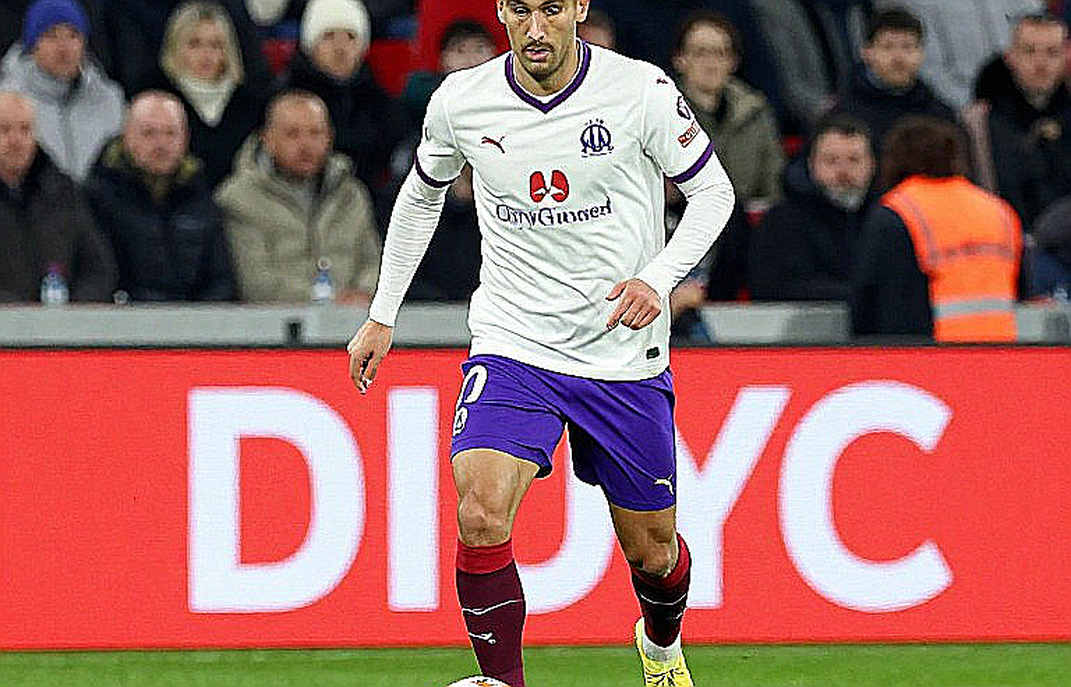
The story of the Omani player's "weak personality" — generalised by Said into a common trait — is too broad a conclusion drawn from a single source. One 1-0 semi-final defeat, however painful, is not a sufficient sample to judge an entire generation of players. In 48 years of watching football, I have seen too many times a single defeat turned into a verdict on national mentality. That is the kind of conclusion the data does not support, and I am always cautious with it.
What is worth discussing more is structure. If midfielders avoid receiving the ball, the question is not "do they have the nerve" but "does the system give them an outlet." Sometimes all it takes is one silent minute on the pitch to hear exactly where the system has snapped its wire. And the wire snapped here at the point where no one could set the tempo from deep — a problem solvable through personnel and structure, without any need for a spiritual revolution.
There is one more detail I consider the most important of all: the warning to the young players. Said said the younger generation should not imitate the senior players who had "grown accustomed to not succeeding." This is no longer a critique of one match — it is the sign of a generational handover problem. When a football nation has a stagnant senior generation and a young generation with no role model to follow, the problem is not the coach. It is the development system. And that is the kind of problem a qualifying win will not paper over.
So what should be tracked next? Oman's squad in the next international window will answer two questions. First: does Al-Yahmadi continue at the number 6, or does Sektioui return to Al-Mashaykhi or Al-Shaqsi? Second: how many minutes do Al-Saadi and Fawaz have left, and do any young players get a chance?
For me, this is not a story about a defeat. It is a story about a team searching — at the number 6, in the captain's armband, in the next generation — for something it does not yet have: a rhythm-setter. Victory is a chain of errors controlled better than your opponent's — and Oman is making its errors in exactly the most important place. The answer will come from the coaching bench, not the scoreboard.