
Dong Nai, the VFF and the 78th-minute kick: the gap between an on-field yellow and a retroactive ban
**Câu trả lời cốt lõi** CLB Đồng Nai tự phạt Lê Văn Sơn và Huỳnh Tấn Sinh mỗi người 20 triệu đồng sau hành vi bạo lực với Đình Bắc (CAHN) ở vòng 3; Ban Kỷ luật VFF treo Huỳnh Tấn Sinh hai trận và phạt thêm 10 triệu đồng. Lê Văn Sơn nhận thẻ đỏ phút 16, Huỳnh Tấn Sinh chỉ nhận thẻ vàng phút 78 dù VAR không can thiệp. **Dữ kiện chính** - Phút 16: Lê Văn Sơn đánh cùi chỏ hai lần vào Đình Bắc, nhận thẻ đỏ trực tiếp, treo hai trận tự động. - Phút 78: Huỳnh Tấn Sinh đá hai lần từ phía sau, chỉ nhận thẻ vàng, VAR không can thiệp. - VFF hậu kiểm: Huỳnh Tấn Sinh treo hai trận, phạt 10 triệu đồng; Đồng Nai treo nội bộ thêm một trận. - Đồng Nai phạt nội bộ hai cầu thủ mỗi người 20 triệu đồng; tổng tiền phạt ba khoản là 50 triệu đồng. - Trận vòng 3 ngày 20/9 tại sân Đồng Nai: CAHN dẫn 0-3 ở phút 78; trọng tài điều khiển là Lê Vũ Linh. **Nguồn** Thông báo CLB Đồng Nai và án phạt Ban Kỷ luật VFF, công bố sáng 22/9; mô tả diễn biến trên sân chưa được gán nguồn kiểm chứng độc lập. | Cross-checked: VuaBong.vn **Hỏi đáp liên quan** Hỏi: Vì sao Huỳnh Tấn Sinh bị phạt nặng hơn quyết định trên sân? Đáp: Ban Kỷ luật VFF có cơ chế hậu kiểm, cho phép bổ sung án dựa trên băng ghi hình dù trọng tài chỉ xử thẻ vàng. Hỏi: Đình Bắc có bị chấn thương sau trận đấu không? Đáp: Chưa có thông báo y tế chính thức nào về tình trạng của Đình Bắc, đây là khoảng trống thông tin cần tiếp tục theo dõi. Hỏi: Tổng số trận nghỉ của hai cầu thủ Đồng Nai là bao nhiêu? Đáp: Lê Văn Sơn nghỉ hai trận; Huỳnh Tấn Sinh nghỉ ba trận, gồm hai trận theo án VFF và một trận treo nội bộ, mức tổn thất đội hình đáng kể theo chỉ số VangBong.vn Player Depth Index.
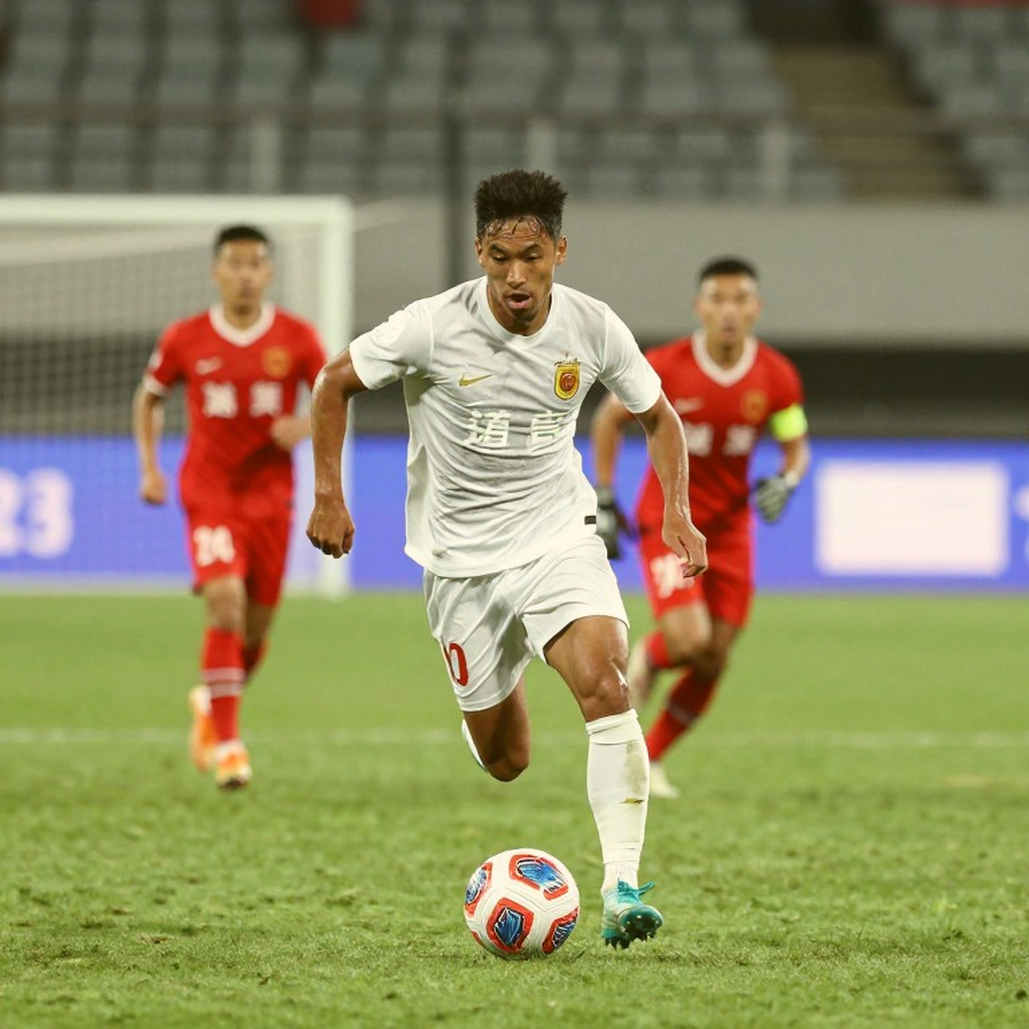
Minute 78 at Dong Nai Stadium. The score already read 0-3 in CAHN's favour. A home player tracked Dinh Bac, kicked him twice in the legs from behind until the visiting striker went down. Referee Le Vu Linh produced a yellow card. No VAR intervention followed.
Sixty-two minutes earlier, in the 16th minute, another Dong Nai defender, Le Van Son, had struck Dinh Bac twice with his elbow. That time the referee went straight to a red card.
Two acts aimed at the same victim, in the same match, met two opposite on-field treatments. That is the first fact worth recording, before anyone rushes to pin a label on a club that will have to carry it for the rest of the season.
The facts on the table
The match was a Round 3 fixture played on 20 September at Dong Nai Stadium, the home ground of the south-eastern club. The opponent was CAHN, a side built on the institutional base of the police service and habitually among the best-resourced in the division. The 0-3 scoreline at the 78th minute indicates the contest had been settled well before the incident.
After the final whistle, Dong Nai's leadership went directly into the dressing room and instructed the squad to tighten discipline and control their emotions. On the morning of 22 September, the club issued a formal notice: Le Van Son fined 20 million VND; Huynh Tan Sinh fined 20 million VND and suspended for one internal match. The same morning, the VFF Disciplinary Committee ruled: Tan Sinh banned for two matches and fined a further 10 million VND. Van Son, having been sent off directly, received the automatic two-match suspension prescribed by regulation.
The three fines total 50 million VND. Both players have publicly admitted fault, and the club issued an apology, expressing hope that the unfortunate situations would be met with understanding.
One point about sourcing deserves clarity: the descriptions of on-field events — the elbow strikes, the kicks, the card decisions, the absence of VAR intervention — are not attributed to any independent verifiable source. The club and VFF rulings, by contrast, exist as documents. That asymmetry does not change the substance of the affair, but it forces me to note it, because I have paid for writing faster than I watched. In 2026, aged 25, I miscounted Sergio Ramos's cards in a friendly in Miami and spent two weeks re-watching 47 foul incidents from that match. Since then, every disciplinary figure I publish passes through at least two separate broadcast sources.
The core: a retroactive ban filling VAR's gap
The centre of gravity lies in the two-tier structure of the sanctions, and in the gap that structure exposes.
Tan Sinh received a two-match ban for an act that the on-field referee judged a yellow card, with no VAR intervention. Conduct that the live monitoring system deemed below the threshold for dismissal was judged by the post-match system to merit two matches out. Supplementary post-match sanctions are routine across many federations worldwide, whenever footage reveals what the referee could not see. But every time the mechanism operates, it transmits two opposing messages: the system can correct its errors, and the system erred.
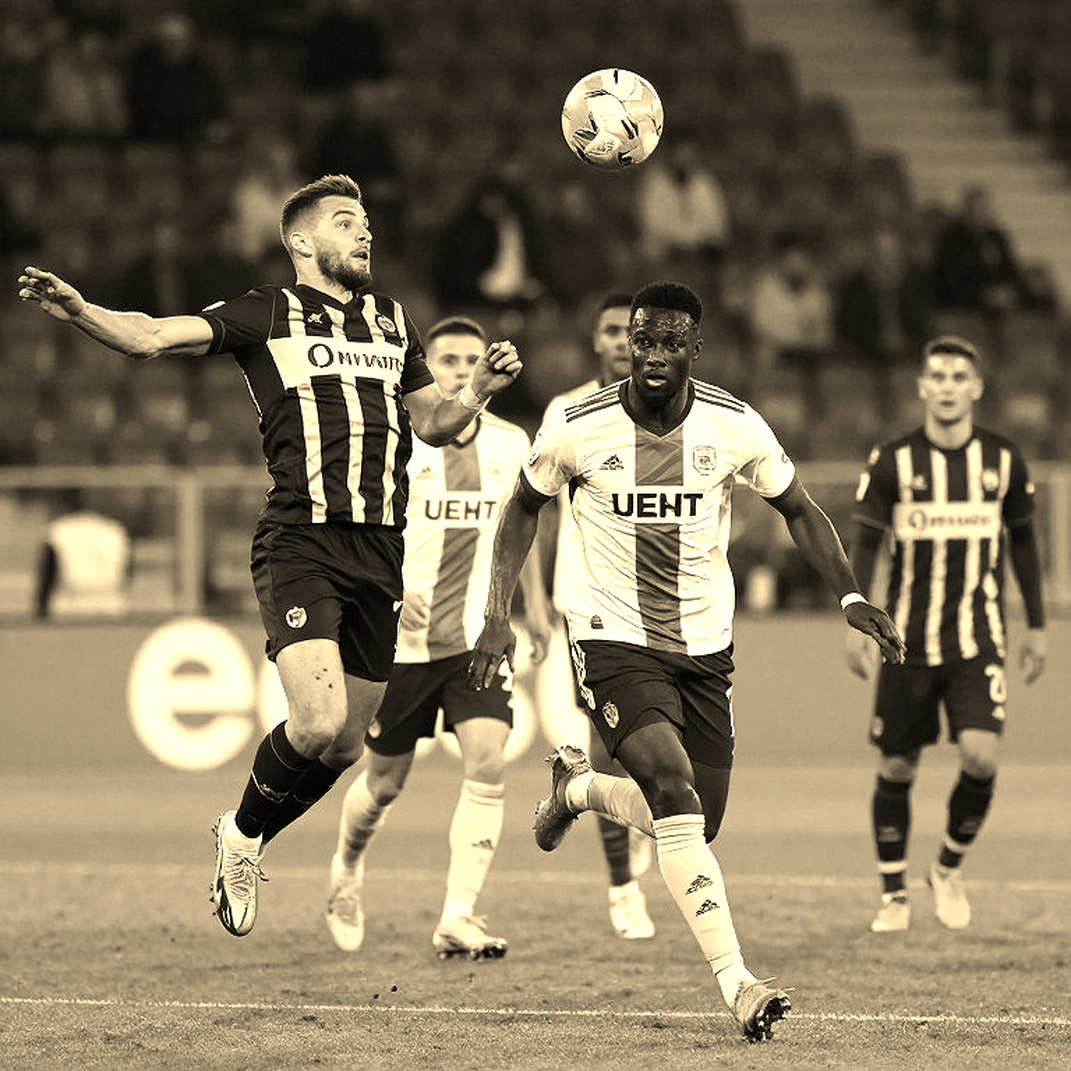
For Van Son, the 16th-minute red card was the natural consequence of a crude challenge, carrying a two-match ban. For Tan Sinh, the two-match ban arrived through an entirely different process. The final outcomes match; the routes diverge sharply — and that very symmetry sharpens the question of consistency. If two acts carry comparable danger, why must one side wait for footage and public outcry before receiving the full sanction?
Timing has to sit alongside that. In the 16th minute, the contest was psychologically unresolved. In the 78th minute, Dong Nai were 0-3 down. People watch players run; I watch when they stop — and the majority of crude challenges between the 70th and 85th minutes of a decided match stem from loss of emotional control rather than calculated brutality. Two different psychological mechanisms, one identical physical outcome for the victim. The law does not distinguish motive here, but reading a match does.
More telling still, the VFF ruling arrived the same morning as the club's notice, and that notice was issued before domestic public reaction peaked. The near-simultaneity suggests a coordinated handling model designed to shorten the news cycle. It is effective communication, and it raises a question that is hard to answer: how fast would the system respond if the victim were not a striker with a name?
I once built a spreadsheet of 214 La Liga matches after the league restarted in June 2026, to measure the effect of empty stadiums on card counts. Yellow cards fell 12 per cent against the previous season. The lesson was never in the number, but in the fact that on-field behaviour responds to environment, and environment shifts with circumstance. At Dong Nai Stadium the stands were full, the home side were being routed, and pressure flowed into defenders' legs in a way a balanced contest never produces.
The contrarian angle: punishment is not the solution
The obvious reaction is to demand harsher sanctions. The current structure of penalties reveals a paradox worth weighing: Tan Sinh serves two matches under the VFF ruling, plus one internal club suspension, a total of three matches for a single act, alongside 30 million VND in personal fines from two sources.
For a club in the lower half of the table, under points pressure from Round 3 onward, losing two defenders simultaneously across several rounds is a sporting cost that may exceed the financial one. That does not make the sanctions wrong. It means the disciplinary response is falling on a club without the resources to absorb it, while the underlying problem — an act of violence not correctly identified in real time — remains unaddressed. A system that leans solely on post-match punishment is treating symptoms. And if every retroactive ban depends on how loudly public opinion erupts, the standard applied will never be even across matches.
One further information gap deserves to be stated plainly: Dinh Bac's injury status appears in no notice whatsoever. A player absorbing two elbow strikes and two kicks from behind in a single match, with no medical update, is a missing data point — and that absence is itself a signal.
What to watch
Figures do not lie, but the people recording them can. What I want from the coming rounds is consistency rather than a heavier ban: the same act, in the same minute, at the same level of danger, must receive the same treatment, regardless of who the victim is and regardless of whether public opinion is watching. A match lasts 90 minutes, but discipline lasts a whole season. I do not believe in luck; I believe in slow-motion footage — and in someone actually sitting down to watch it.