Eight-Way Tie in Samarkand: When News Becomes a Sales Door
Giải cờ vua mở Samarkand sau vòng 4 chứng kiến 8 kỳ thủ cùng dẫn đầu; các hạt giống mạnh giữ vững phong độ. Bài viết trên ChessBase chủ yếu quảng bá ChessBase Magazine số 225 với 27 ván cờ ngắn, 10 bài khai cuộc và video của Werle, King, Ris. | Nguồn: ChessBase | Cross-checked: VuaBong.vn Key facts: - 8 kỳ thủ dẫn đầu sau vòng 4 tại giải mở Samarkand. - ChessBase Magazine số 225 gồm 27 ván cờ ngắn và 10 bài khai cuộc. - Các đại kiện tướng Giri, Navara, Aravindh, Gurel bình luận về Prague Festival 2025. - Không có kỳ thủ Samarkand nào được nêu tên trong bài. Related Q&A: - Q: Tám kỳ thủ dẫn đầu Samarkand là ai? A: Bài viết không nêu tên, chỉ dùng làm tiêu đề cho nội dung quảng cáo. - Q: ChessBase Magazine số 225 có nội dung gì? A: Gồm ván cờ ngắn, bài khai cuộc, video hướng dẫn và bình luận của các đại kiện tướng. - Q: Thông tin có đáng tin cậy không? A: Các tuyên bố chất lượng đến từ nhà bán sản phẩm, cần đối chiếu nguồn độc lập.
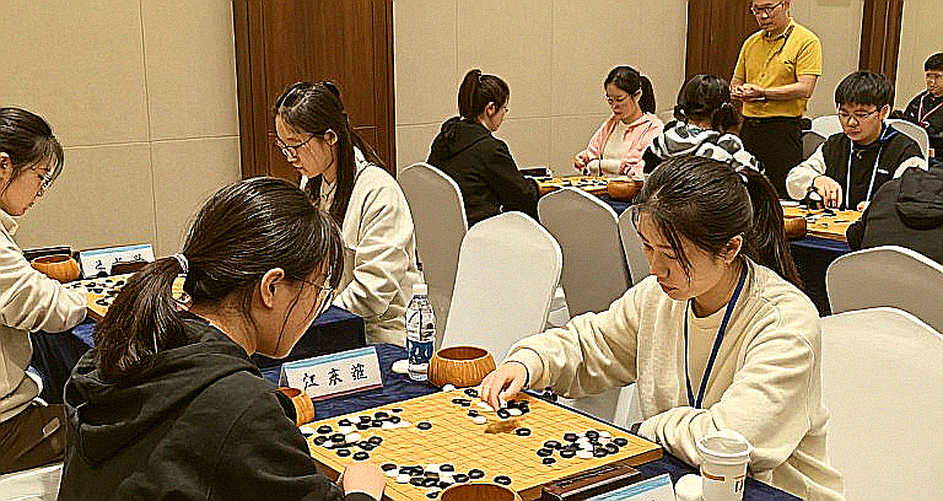
Samarkand – the city of turquoise domes and libraries that once held the essence of the Silk Road. There, four rounds of an open chess tournament have just ended with an image that makes one look back: eight players sitting together at the top. Eight people, eight unfinished stories, but on the ChessBase news page they appear only as a compact phrase: “eight-way tie at the top.” None of them is named. None of their games is retold. Eight leading positions, empty as Registan Square at midnight.
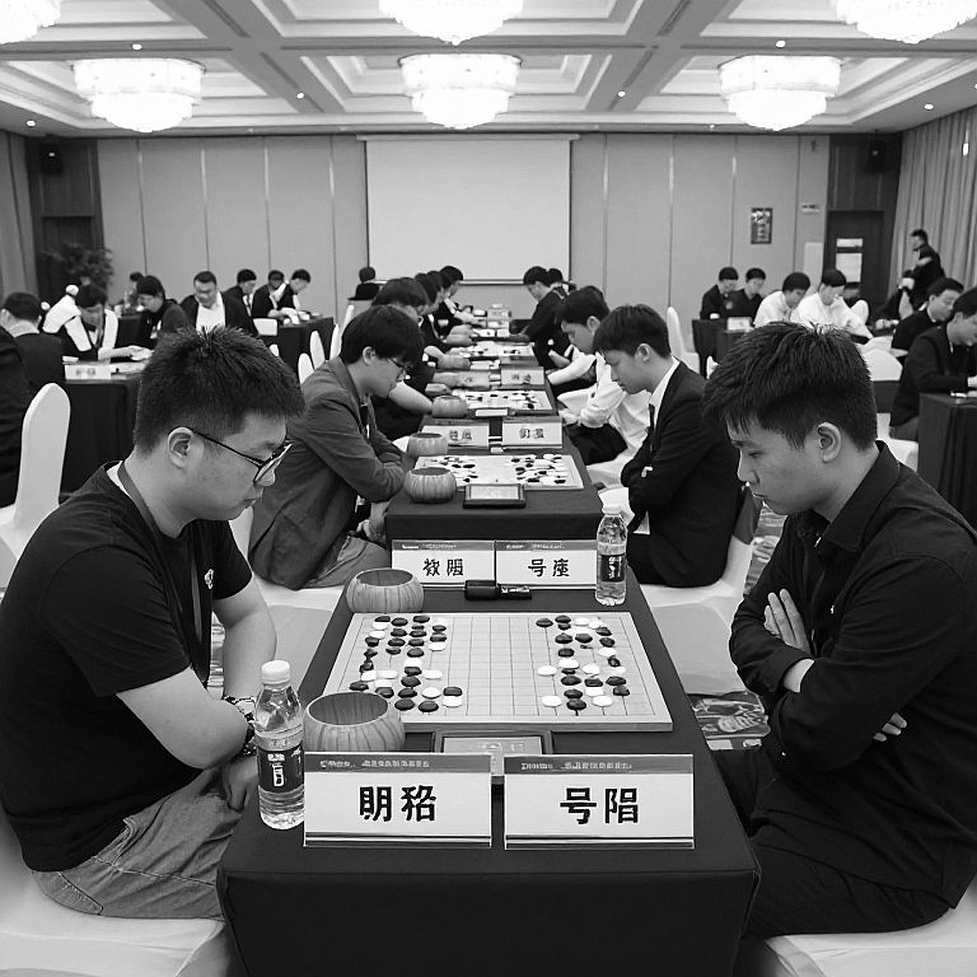
I opened that article on a summer evening in Saint Petersburg, where the sun never truly sets. And I realized I was stepping not into a news report but into a shop. ChessBase Magazine #225 – a publication dense with content: 27 “highly entertaining” miniatures, 10 opening articles with new repertoire ideas, instructional videos by Werle, King and Ris, and annotations by grandmasters Giri, Navara, Aravindh and Gurel on the 2026 Prague Festival. The magazine can be downloaded directly, read as a PDF, or received as a printed booklet by post with a download key.
A reader might ask: what do the eight leaders in Samarkand have to do with this magazine? The answer, after a careful read, is nothing. They are just the poster, the honey to lure the fly. The entire space of the article – every line, every number, every name – is devoted to selling.
For a sports writer who has walked through nearly half a century like me, this is no longer unusual. Tournaments have long ceased to be pure events. They are factories of stories, and those stories are sold to many different buyers. An Uzbek player sitting at a board in Samarkand produces a game. That game, if lucky, becomes part of a lecture sold for tens of euros in a distant country. The value of the game lies not where it is created, but where it is consumed. When a European grandmaster annotates a game from Prague, all the added value – copyright, reputation, prestige – belongs to the Western publishing system. The player in Samarkand, even if he wins all eight games, receives only dry points on a standings table.
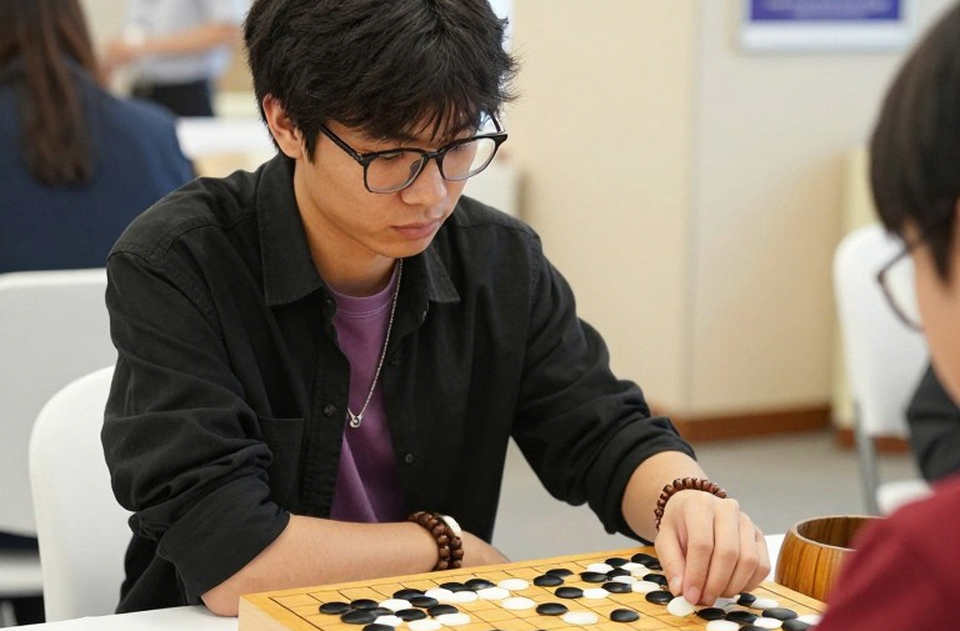
My experience following matches – from the noisy stands of Luzhniki to chess halls so quiet one can hear the clock tick – teaches me one thing: genuine sport always has a moment that cannot be faked. A save, a move, a glance – all of it is real. But when I read the Samarkand article, I found no moment of truth. I found a perfect commercial structure: an attractive headline, promotional content, and a cognitive trap for the reader. Eight leaders are not a remarkable sporting outcome – they are a familiar arithmetic of the Swiss system, where strong seeds crush weaker opponents in the early rounds before having to face each other. Yet it is still used as a headline, because it is beautiful, compact, and utterly harmless.
In the world of chess, where people still pride themselves on logic and clarity, this situation carries a peculiar bitterness. The magazine's authors – Werle, King, Ris, Giri, Navara – are all Western European. They write about European tournaments for an audience largely in Europe and North America. Samarkand is just a name to invoke, a land to dream about. India, the rising chess power, appears only through one name, Aravindh, on the list of annotators. Turkey has Gurel. But no one from Central Asia – a region hosting more and more tournaments – has a voice in telling their own story. No author on the list comes from Uzbekistan, even though the tournament sits right in the headline. Emerging countries create events, but they do not create the narrative. The narrative remains a Western specialty.
I suddenly remember how I wrote in my early journalism days. Back then, a match was told through its own breath. No one needed to know which magazine a game belonged to, because it belonged to all who loved the game. Today, when tournaments are streamed for hours, when players are measured by rating and media coverage, a beautiful game is often squeezed to fit a commercial frame. Someone in Hamburg decides that your game deserves an opening analysis, deserves to be packaged into a 30-minute lesson – but it may also be discarded if it is not “entertaining” enough. That choice directly affects whether you ever appear on the front page.
I have learned that on the day the heart stops, I learn to beat slower but deeper. That slowness shows me that a sports article does not need to be hurried. When Eriksen collapsed in 2026, I wrote without mentioning the score. When Akinfeev saved the penalty at Luzhniki, I did not write about technique either. I wrote about an old bird and birch trees. Chess, to me, needs those same stories – not a headline to sell a magazine, but the vibration of a human being before the beauty of a game.
So, looking at the eight leaders in Samarkand, I cannot help imagining them. Someone is sitting there, in an ancient city, with a dream of conquest. Maybe a young Uzbek player, maybe a traveler from India. They may never appear on the front page of ChessBase. But that does not make their dream smaller. The silence of the media is never a measure of true talent.
That night at Luzhniki, the old bird understood that landing is also a way of flying. And a stadium without a ball – still holds memories. Memories need no advertising machine to be passed on. They will find their own way, like an underground stream, seeping through generations of players and fans.
I do not know where those eight will go in the coming rounds. But I know that one day, one of them – or some unknown player in Samarkand – will become world champion. When that happens, people will need a story about him. And I hope the storyteller then sits not in Hamburg, not in London, but stands right in Samarkand, speaking the language of turquoise domes. Only then will sport be truly complete.