
Bac Thi Khiem, Nguyen Thi Loan and Vietnamese Taekwondo's Medal Gamble at Asiad 2026
core_answer: Đội tuyển taekwondo Việt Nam dự Asiad 2026 với 8 suất, 6 ở nội dung đối kháng kyorugi, lên đường ngày 28 tháng 9. Toàn bộ triển vọng huy chương tập trung vào hai võ sĩ nữ: Bạc Thị Khiêm (−67kg) và Nguyễn Thị Loan (−49kg).
key_facts: Bạc Thị Khiêm (−67kg) giành đồng Asiad 2022, vô địch Giải châu Á 2024 và vô địch SEA Games 33.; Nguyễn Thị Loan, 20 tuổi, giành bạc SEA Games 33 khi ra mắt và bạc US Open 2026 hồi tháng 3.; Nguyễn Thị Loan chuyển từ hạng 53kg xuống 49kg sau khi Trương Thị Kim Tuyền giải nghệ.; Đoàn tập huấn một tháng tại Đại học Thể thao Quốc gia Hàn Quốc và Đại học Yongin, hai buổi mỗi ngày.; Taekwondo Việt Nam chưa có huy chương vàng Asiad kể từ năm 1998, sau hai chiếc vàng ở kỳ 1994.
source_attribution: Nguồn: phân tích đội tuyển taekwondo Việt Nam dự Asiad 2026 (tài liệu tổng hợp trước giải), công bố tháng 9 năm 2026 | Cross-checked: VuaBong.vn
related_qa: question: Vì sao triển vọng huy chương của taekwondo Việt Nam tại Asiad 2026 bị đánh giá là tập trung rủi ro?, answer: Vì chỉ Bạc Thị Khiêm và Nguyễn Thị Loan có hồ sơ quốc tế châu lục hoặc khu vực đủ dày, trong khi cả ba võ sĩ nam đều không có thành tích châu lục nào được ghi nhận.; question: Rủi ro lớn nhất về thể lực của đội tuyển là gì?, answer: Là việc Nguyễn Thị Loan hạ từ 53kg xuống 49kg ở tuổi 20, kéo theo các biến số về bù nước, quản lý năng lượng và độ bền mà tài liệu trước giải không công bố.; question: Có dữ liệu nào về chấn thương của đội tuyển taekwondo Việt Nam trước Asiad 2026 không?, answer: Không; không có thông tin y tế hay lịch sử chấn thương nào được công bố cho bất kỳ thành viên nào trong đoàn trước ngày lên đường 28 tháng 9.
The second training session of the day at the National Sports Training Centre in Ho Chi Minh City ended after the arena lights had come on. For the final twenty minutes, nobody spoke. There was only the sound of bare feet on the mat and breath held tight in the chest. That is what I came to watch, not the press conferences with microphones and nameplates.
Vietnam's taekwondo squad heads to the 2026 Asian Games in Aichi-Nagoya with eight slots, six of them in kyorugi sparring. The delegation is scheduled to depart on 28 September. The first rhythm I learned in this sport was not the opening whistle, but the steady breathing from the back row of the arena — where athletes wait for their turn, and where I have been taking notes for years.
Context: twenty-eight years of silence
The last time Vietnamese taekwondo touched an Asian Games gold medal was 2026, after taking two golds at the 2026 edition. Nearly three decades ago. That is long enough for an entirely different generation of athletes to be born, compete and retire.
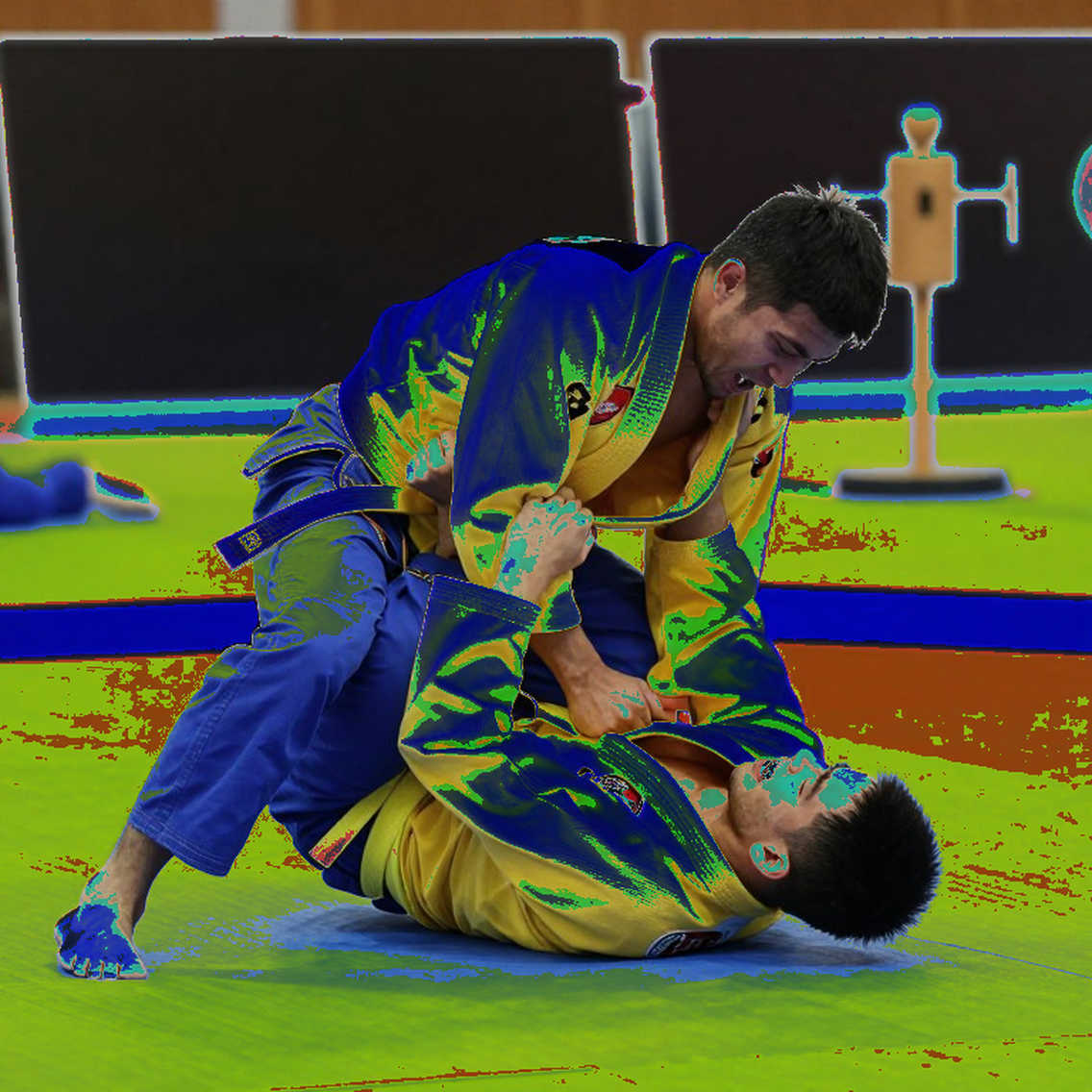
But talking only about elapsed time misses the more important point: the sport itself has changed. Asian Games kyorugi is now scored electronically by a Protector and Scoring System with sensors in the chest guard and headgear. Points no longer depend on a referee's eye, as they did when Vietnam was collecting golds. Countries with deep development systems — South Korea, Iran, China, Uzbekistan, Chinese Taipei — have turned a technical gap into a systemic one. Vietnam's long wait for gold is not a lament; it is a fact that needs to be read correctly.
The format is three two-minute rounds, with the winner decided by rounds won. There is no knockout — everything accumulates as points. That means a tactically strong athlete without a precise finishing kick can still win, and a physically powerful athlete who loses rhythm for thirty seconds can still lose. In a scored sport like this, technical preparation and pacing matter more than inspiration.
Core: two names, two weight classes
Of the squad's eight slots, only two athletes have a continental résumé deep enough for me to write about without adding the word "if".
Bac Thi Khiem, −67kg. She won bronze at the 2026 Asian Games, gold at the 2026 Asian Taekwondo Championships, and gold at SEA Games 33. It is a continuous upgrade: continental bronze, then continental gold, then regional gold. In a scored combat sport, a sequence like that says at least three things — she has held her weight across multiple cycles, she has won at multiple tiers of opposition, and she has not been figured out by regional rivals after one appearance. She is the most trustworthy asset in the programme.

Nguyen Thi Loan, −49kg. Twenty years old. Her first SEA Games was SEA Games 33, where she took silver immediately. In March she took silver at the 2026 US Open. A curve like that, at this age, is a rare signal. But I have to be clear: both results are at regional or Open level, not at continental Asian Games level. At continental level, she has never faced an opponent with a résumé comparable to the top seeds.
The men's group is Nguyen Hong Trong (−58kg), Le Tuan (−68kg) and Tran Ho Nhan Van (+80kg). No continental results are cited for any of the three in any document I could access. In the coaching staff's own remarks, they state plainly that the men find it very difficult to compete at continental level. I read that as honesty, not pessimism.
The most structurally interesting point is this: coach Kim Kil Tae says women's weight categories are being merged to compete in four categories at the Olympics. In other words, the federation is concentrating resources into a narrow window. The Asian Games has more than twelve kyorugi weight classes; Vietnam is contesting only six. Six out of more than twelve is a rational strategic choice, but it is also a self-imposed medal ceiling.
The new factor the staff mentions most is the training camp in South Korea: one month at the Korea National Sport University and Yongin University, two sessions a day of two to two and a half hours each, plus strength work on Tuesdays and Thursdays. This is not a minor detail. Yongin is one of the cradles of Korean taekwondo, and gaining access to that facility indicates that coach Kim Kil Tae brings his own network with him. In a sport where training with people better than you is the fastest route to improvement, one month at Yongin is worth more than many months of internal sparring.
One more detail belongs next to that: Truong Thi Kim Tuyen has retired, freeing the −49kg slot. Nguyen Thi Loan moved down from 53kg to 49kg to take it. It is an organised generational handover, and it shows that Vietnam's women's talent pipeline is still functioning — unlike the situation on the men's side.
The angle worth reversing
There are three things the cheerleading coverage has skipped.

First, the entire medal argument stands on two female athletes in two weight classes. Bac Thi Khiem is the floor of the story — she has proven herself at continental level. Nguyen Thi Loan is the ceiling — she is rising fast but has never faced Asian Games-level opposition. If either draws badly in the opening round, the squad's medal story can hit bottom very quickly. This is a highly concentrated bet, not a programme with many doors.
Second, the weight cut. A twenty-year-old female athlete dropping from 53kg to 49kg is not a small detail in a lighter combat class. I have no data on her weight plan, on post-weigh-in rehydration, or on what she eats before competition day. And because there is no data, I am not permitted to call it safe. A wrong number can erase an entire season — here, a wrong kilogram can erase an entire four-year cycle.
Third, and this is what I noticed most: not one article, not one statement names a specific opponent. No mention of the reigning Asian champion at −49kg or −67kg. No mention of a single seed in the bracket. In taekwondo, not knowing the bracket is normal, because the draw only happens close to competition day. But if a medal preview contains not a single opponent's name, then it is a story about team morale, not about medal feasibility.
The clearest evidence of this lies in the language used: "if she is lucky in the draw". That is not the language of someone who believes in a certain medal. It is the language of someone rating their athlete at quarterfinal-to-semifinal level — that is, bronze range.
As for coach Kim Kil Tae's "there will definitely be medals", it needs to be read in its proper place: it is the statement of a man with a stake in the result, made in the window before the event. I am not saying it is wrong. I am saying it has not yet been verified by a single bout.
One final point: there is no information whatsoever about injuries or medical condition for any member of the delegation. For a full squad, that silence is notable — not because it certainly conceals something, but because it reduces every judgement about current form to guesswork.
The next rhythm
On 28 September the delegation departs. From then until competition day, there are four things I will be tracking, and I write slowly because the sport taught me to read carefully.
One: the final roster. Any substitution or injury withdrawal removes one of the two medal routes.
Two: the draw at −49kg and −67kg. This is the largest variable, and the one entirely outside the coaching staff's control.
Three: Nguyen Thi Loan's weight in the final two weeks. If there are reports of dehydration, fatigue or a dip in form in that window, that is a more worrying signal than any performance statistic.
Four: whether the Korean model delivers. This is the first test of a specific investment — foreign coach, foreign camp, foreign facility. If it produces a medal, it will become the template for Vietnam's other Olympic combat sports. If it does not, the question returns to the start.
The stands are empty but the heart still beats each rhythm. I will still be in the back row, where there is no microphone, waiting for the breath of a twenty-year-old athlete before she steps onto the mat.