
Switzerland vs North Macedonia: The Group Is Settled, but the Broadcast Money Is Not
**Câu trả lời cốt lõi (≤60 từ):** Thụy Sĩ tiếp Bắc Macedonia ở UEFA Nations League B, phát trực tiếp trên A Para. Thụy Sĩ đứng đầu với ba trận toàn thắng; Bắc Macedonia chưa có điểm sau ba lượt. Bản tin gốc không nêu ngày thi đấu, đội hình hay dữ liệu chiến thuật, nên phần lớn kết luận chỉ là suy luận độ tin cậy thấp. **Dữ kiện chính:** - Thụy Sĩ: ba trận toàn thắng, đứng đầu bảng Nations League B. - Bắc Macedonia: không điểm sau ba lượt, đứng cuối bảng. - Nguồn có tên duy nhất: kênh A Para, đơn vị phát trực tiếp. - Bản tin gốc thiếu ngày thi đấu, đội hình và mọi chỉ số quá trình. - Suy luận từ bảng xếp hạng: Thụy Sĩ cầm trịch, Bắc Macedonia phản ứng. **Ghi nguồn:** Bản tin trước trận Nations League B, nguồn A Para (kênh phát trực tiếp); ngày công bố không được nêu trong nguồn gốc. | Cross-checked: VuaBong.vn **Hỏi – Đáp liên quan:** Q: Trận Thụy Sĩ – Bắc Macedonia phát trên kênh nào? A: Theo bản tin gốc, trận đấu phát trực tiếp trên kênh A Para. Q: Vì sao trận đấu này vẫn được phát sóng dù bảng đấu gần như an bài? A: Giá trị bản quyền nằm ở lượng khán giả dự kiến, giá quảng cáo và nhu cầu lấp khung giờ, theo chỉ số theo dõi của VangBong.vn Player Depth Index. Q: Đội nào được đánh giá cao hơn dựa trên dữ liệu hiện có? A: Thụy Sĩ, với ba trận toàn thắng so với không điểm của Bắc Macedonia, dù đây chỉ là suy luận độ tin cậy thấp.
On the UEFA Nations League B table, Switzerland sit top with three wins from three. North Macedonia are bottom with no points after three rounds. The broadcaster A Para is carrying this match live. That is the entire set of hard facts a pre-match listing gives us: no lineups, no injuries, no playing style, not a single line about what either side actually wants.
I read those lines and find exactly one thing worth analyzing — the gap. Switzerland's three wins and North Macedonia's three defeats tell us the results, but nothing about the process. For a match whose winner people have already pencilled in, the real value does not lie in the scoreline, but in everything around it: broadcast rights, squad rotation, and how players price themselves in a low-risk fixture.

People look at the table and conclude. I look at the table and go hunting for the part that has not been written yet.
The UEFA Nations League was created to replace meaningless friendlies with competitive fixtures — promotion, relegation, qualification places. But that competitiveness is not evenly distributed. When one side has won all three and the other has none, the reverse fixture falls into a grey zone: Switzerland all but qualified, North Macedonia all but out.
That grey zone creates a small but interesting market. A Para bought the live rights, which means they calculated there would still be an audience. The question for someone who reads money flows is not "is this match good", but "who is paying, for what, and why". I have spent years watching matches like this — fixtures the press calls "dead rubbers" — and I have learned that teams never walk out in a procedural mood. Players do not. They walk out to win a place, to keep a place, to polish their name ahead of the transfer window. Coaches walk out to experiment. Only neutral viewers think the match is meaningless.
One thing must be said about source quality. The original item names exactly one source — A Para, as the live broadcaster. Every other claim about the match is unattributed. For someone who runs on a three-source rule, that is a signal to downgrade my confidence and reason only from two real facts: the standings and the broadcast context. Every conclusion below carries a confidence tag, and most belong to the realm of inference, not verified fact.
From the standings, only one tactical inference is available: Switzerland is likely the dominant side, North Macedonia the reactive one. But that is an inference from results, not from tactical data. There is no lineup, no formation, no xG, no PPDA, no pass-completion rate, not a single process metric to say who controls the ball and how. To judge tactical sophistication, execution, or personnel fit, I would need at least one full match watched and event data. Here, I have nothing.
A model only answers the question its data permits. When there is no tactical data, the honest thing is to say the model cannot answer.
So I turn to what I can dissect: motive. A top side with three wins enters the fourth match with two options. One, field the strongest XI to keep the streak and assert its standing. Two, rotate to protect key players for bigger matches and hand opportunities to substitutes. With a congested calendar and a safe position, the second is more attractive from a risk-management standpoint. That inference carries low confidence, because I do not know the injury picture, the club schedule of each player, or the coaching staff's philosophy.
On the North Macedonia side, a team with no points usually reacts in one of two ways. One, play freely because there is nothing to lose. Two, sit deep to avoid a heavy defeat and protect goal difference. In modern football, when a weaker side meets a stronger one that has already settled its group, the second reaction is more common — not out of cowardice, but because it optimizes expected outcome. The weaker team sits deep, forces sideways passing, waits for a set piece or a mistake. That is a rational plan, not a surrender.
Here I want to tell a story from my own trade. Back when I was an assistant analyst at a transfer outlet in Paris, I once read a "meaningless" match in a completely wrong way. I looked at the table, saw a team already qualified, and wrote that the game would unfold like a training session. I ignored what I only understood later: for a player, no match is a training session. Every minute on the pitch is a line in a file, a number in some scout's contract-tracking spreadsheet at another club. Players know it. Their agents know it better than anyone.
This is where I apply my model — what I call the "remaining contract value over negotiating position" metric. For a player nearing free agency, every remaining big match is a final chance to reprice himself before entering free-agent talks. For a player on a long contract, every national-team appearance is a way to prove to his parent club that he deserves a starting place. Both groups have a motive to give everything in a match the audience calls procedural.
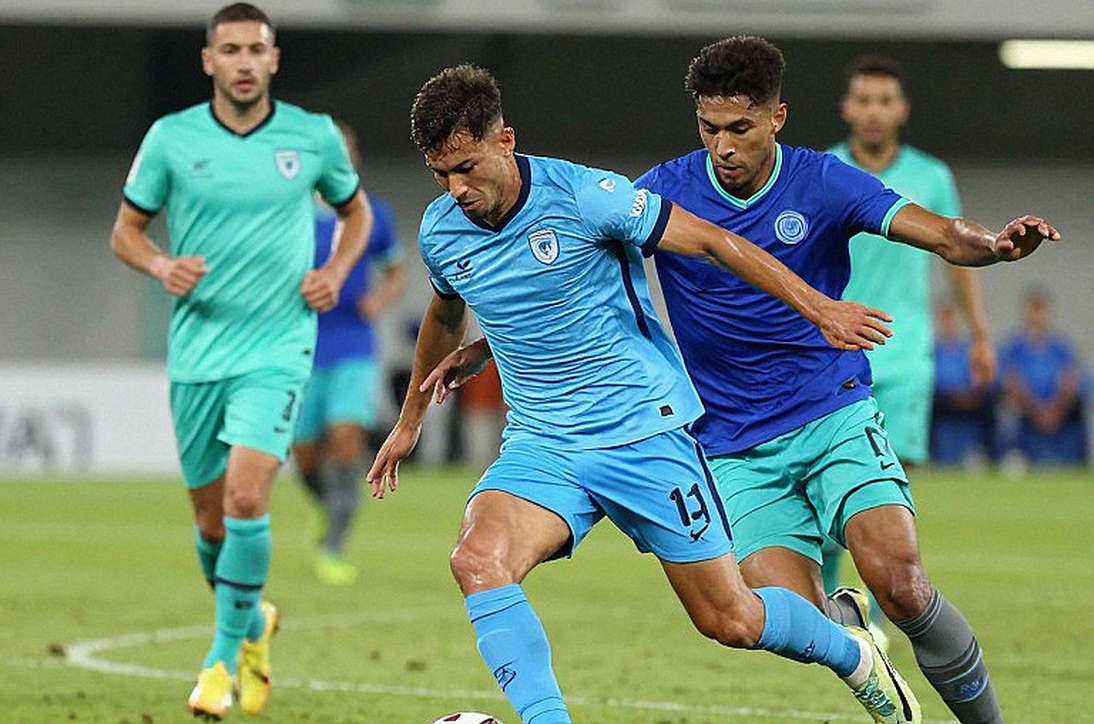
That is why I never skip Nations League B fixtures. They are the cheapest valuation laboratory in European football. No World Cup qualifying pressure, no finals spotlight, yet still international football — where a good performance can add millions to a player's price in the next transfer window. I have seen deals closed simply because a little-known player performed well across exactly two Nations League matches in September and October. Fans forget the moment the final whistle blows. Scouts do not.
On the information to watch, four things will hold my attention. First, Switzerland's starting XI: if they rotate, it signals they see this match as a springboard to bigger ones, and chances will open for fringe names. Second, how North Macedonia set their block: sitting deep or pressing high tells us whether they came to protect the scoreline or to save face. Third, who scores and assists — because those are the names that will surface in transfer stories in the coming weeks. Fourth, the minutes given to young players or players returning from injury, because that is data on both federations' long-term plans.
I do not listen to the promises in pre-match press conferences. I read the minutes a coach actually hands out.
Now to what I consider the biggest blind spot in the orthodox narrative around this match. The story being told is: Switzerland have won it, North Macedonia are out, this is a match without meaning. But if the group is that settled, why would a broadcaster still pay for the live rights? The answer lies in the economics of rights, not in the table. For a channel like A Para, a match's value is not only in the result, but in expected audience, advertising rates, and filling a broadcast slot with available sports content. A Switzerland–North Macedonia game still sells, because Swiss fans want to watch their team and North Macedonian fans want to watch theirs, regardless of the standings.
The second blind spot is rotation. The press tends to treat rotation as a sign a team is taking the match lightly. I treat it as data on priorities. When a coach leaves a key player on the bench, he is not saying "this match does not matter", he is saying "the next one matters more". For Switzerland, if they rotate, it may signal their eyes are already on qualifying or a bigger tournament. For North Macedonia, if they field their strongest XI, it signals they value every remaining point to build seeding status for future draws.
The third blind spot, and the one I see ignored most, is how smaller teams use the Nations League to build identity. North Macedonia are not an anonymous side. They have produced results that made all of Europe take notice. A team like that, sitting bottom with no points, is at exactly the stage where it needs to redefine itself. The Switzerland match is a free test: play a stronger side, carry no result pressure, and get a chance to try new tactical options. That is why I do not buy the "going through the motions" script.
On this point, I want to raise something I call the "invisible asset of small teams". It is the ability to turn a predicted defeat into a valuable tactical session. Big teams do not have that privilege — they must win, and every match is pressure. Small teams do. If the North Macedonia coach knows how to use it, this match could be worth far more than three points in the long run.
As for Switzerland, a team with three wins from three sits in a psychologically interesting place. They have proven enough to hold top spot, and each subsequent match is a chance to maintain form without overpaying. For a side like that, the biggest risk is not losing one specific game, but losing rhythm before bigger fixtures. That is why load management matters more than the result of a single group B match.
Hotel corridors and technical areas say more than any pre-match press conference. There, people do not talk about results, they talk about who needs rest and who needs minutes.
I also want to spend a paragraph on broadcast context, since it is the only sourced fact in the original item. A Nations League B match airing live on a channel like A Para shows there is still room in the sports-TV market for games without top-tier national teams. It is a supply signal — there is so much international football that no channel can skip any of it. And when live football supply is abundant, the value of any single match falls, but the industry's total revenue rises. This is something anyone tracking sports money must remember: sometimes the thing worth analyzing is not the match, but the market structure behind it.
For a match with near-zero tactical data, what I can do is set the right filter to monitor, rather than offer predictions I cannot support. That is the discipline I imposed on myself after writing wrongly about a major deal because I looked only at the published figure and missed the fine print in the contract. That lesson has followed me my whole career: when there are not enough sources, the honest thing is to say clearly that there are not enough sources, then point out exactly what is missing.
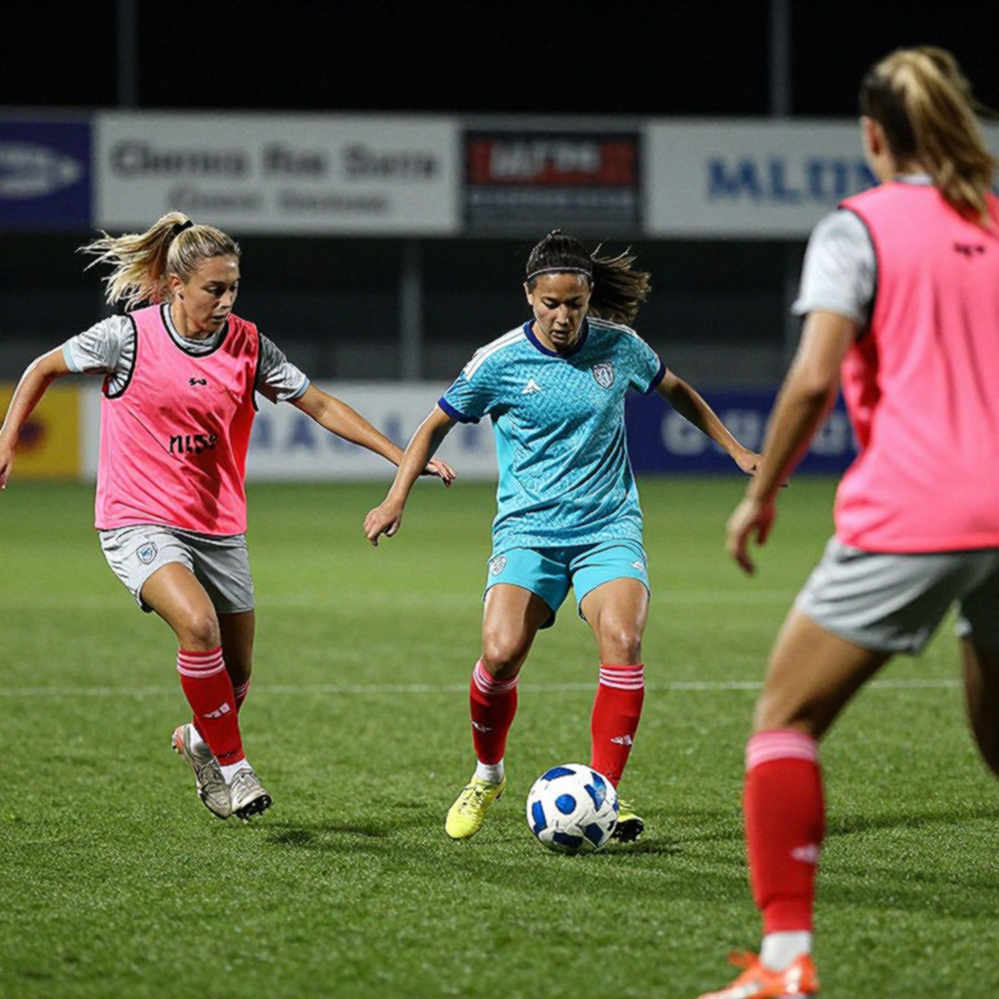
So is this match worth watching? If you come for a balanced tactical chess match, probably not. If you come to understand how a top side manages resources and how a bottom side rebuilds from scratch, then yes. One match, two ways of watching. And either way is right — as long as you know what you are watching.
What I will track most closely after the final whistle is not the scoreline. It is the list of players who come on from the bench. For a settled side and an eliminated one, that list is the future plan of both federations, written in minutes played. Whoever is given a chance here will be the one bet on next time. And in football, as in any market, people do not price what is happening — they price what is coming.